

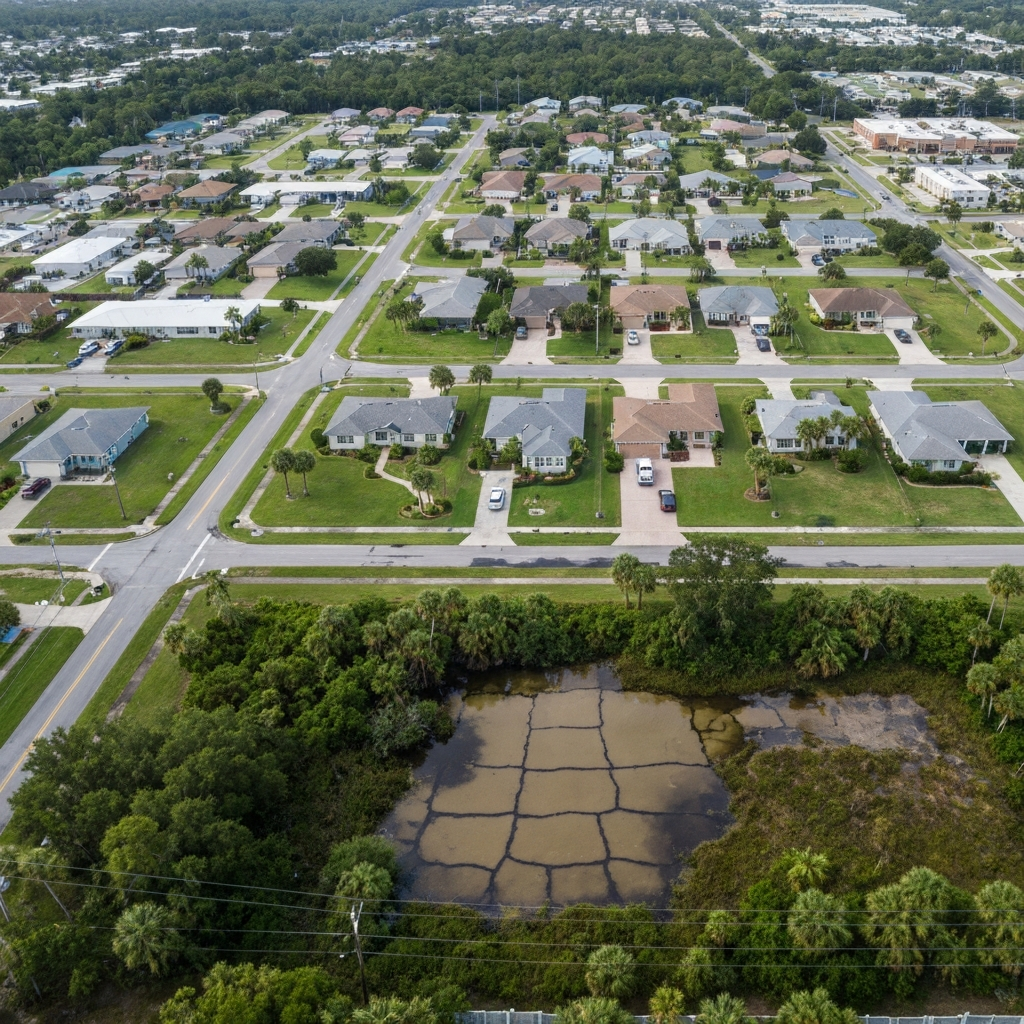
As global climate patterns continue to evolve, communities worldwide are experiencing shifts in weather and environmental conditions. Palm Bay, Florida, is no exception. Understanding these changes is crucial for residents and local authorities to adapt and prepare for the future.
Rising Temperatures
One of the most significant global climate trends is the increase in average temperatures. In Palm Bay, the number of days with temperatures exceeding 94.1ºF is projected to rise from about 7 days per year in 1990 to approximately 74 days per year by 2050. This substantial increase poses challenges related to heat stress, energy consumption, and public health.
Increased Precipitation and Flooding
Climate models predict a rise in annual precipitation for Palm Bay, from about 47.3 inches to approximately 48.4 inches by 2050. Additionally, the proportion of rainfall occurring during heavy downpours is expected to increase, leading to a higher risk of flooding. Notably, about 60% of buildings in Palm Bay are currently at risk of flooding, with the risk level considered significant.
Wildfire Risks
Warmer temperatures and altered precipitation patterns contribute to drier conditions, elevating the risk of wildfires. In Palm Bay, approximately 99% of buildings are at risk of wildfire, with the risk level deemed significant. This underscores the importance of fire prevention measures and community preparedness.
Community Resilience and Adaptation
Addressing these challenges requires a concerted effort from the community, local government, and stakeholders. Initiatives such as improving infrastructure to handle increased rainfall, implementing heat mitigation strategies, and enhancing wildfire prevention programs are essential steps toward building resilience.
By staying informed about global climate trends and their local impacts, Palm Bay residents can take proactive measures to safeguard their community and environment.